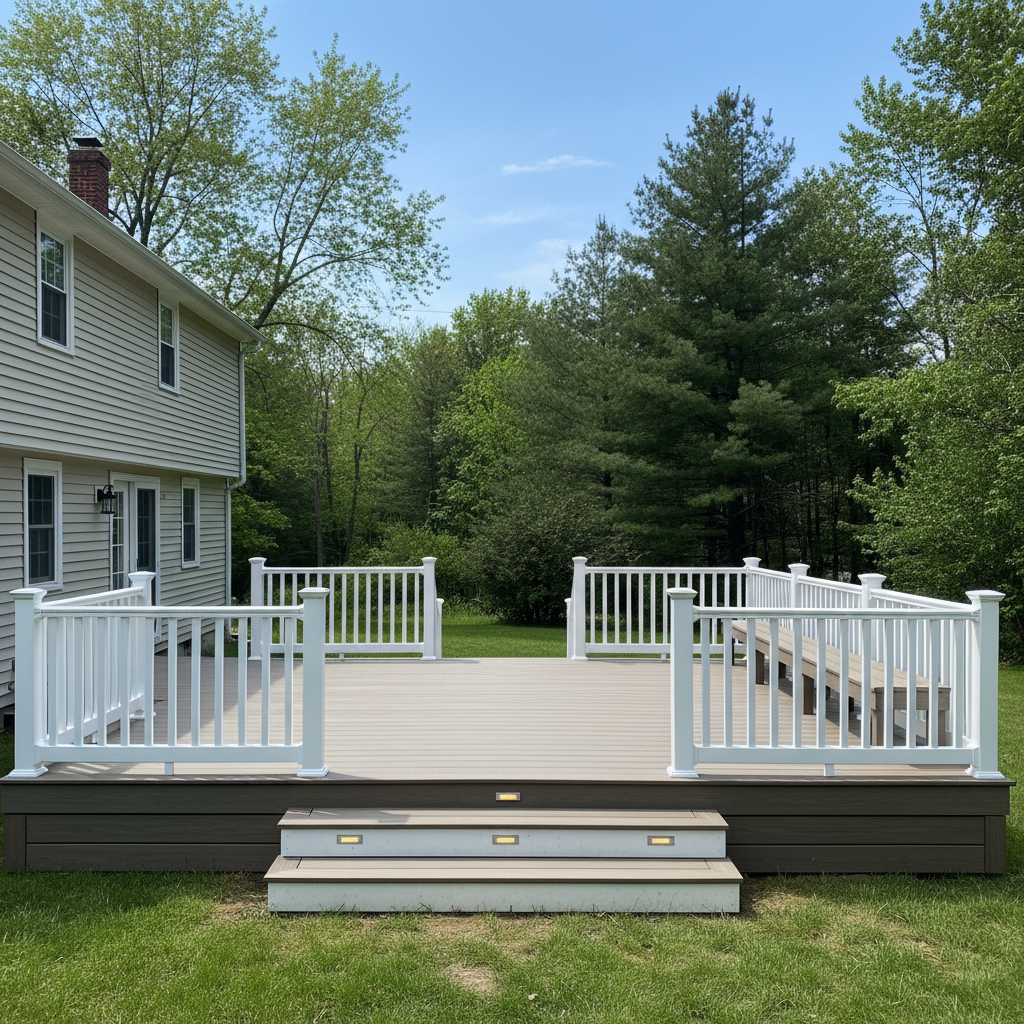
You want a new composite deck, and that's a smart move. They're low-maintenance, look great, and really add value. But I've seen a lot of folks in Bristol make some avoidable mistakes when they're planning or hiring for these projects. You don't want to be one of them. Let's talk about what to watch out for.
Mistake #1: Focusing Only on the Deck Board Price
I get it. Everyone's looking at the cost per linear foot for Trex, TimberTech, or whatever brand. That's just one piece of the puzzle, though. The deck boards themselves are a significant part of the material cost, sure, but they're not the whole story. You've got framing lumber, footings, fasteners, railing systems, stairs, and permits. Then there's the labor. A cheap deck board won't save you much if your contractor is cutting corners on the foundation or using subpar framing materials.
What you need to do is get a comprehensive quote. Make sure it breaks down materials and labor, and specifies the brands and types of everything from the footings to the railing. Don't just ask, "How much for a composite deck?" Ask, "What's included in that price, down to the last screw?"
Mistake #2: Ignoring the Foundation (It's More Important Than You Think)
This is a big one, especially with our freeze-thaw cycles here in Connecticut. A composite deck might last 25+ years, but if the foundation isn't built right, that deck's going to heave, sag, and become a headache long before its time. I've seen decks built on shallow footings that look like a roller coaster after a few winters. You don't want that.
Your footings need to go below the frost line, which is typically 42 inches deep around Bristol. A good contractor will know this and make sure it's done right. Don't let anyone tell you shallower is fine. It's not. Also, make sure the footings are properly sized for the load of the deck. This isn't something you can eyeball. It requires calculations based on your deck's size and design.
Mistake #3: Not Getting Specific About Design & Features Upfront
You've got a vision for your deck, right? Maybe you want a built-in bench, a specific railing style, or a multi-level design. But if you don't communicate those details clearly and get them in writing before the project starts, you're asking for trouble. I've seen homeowners assume certain things were included, only to find out they weren't, leading to arguments and extra costs.
- Railing Style: There are tons of options – composite, aluminum, cable, glass. Each has a different look and price point. Be specific.
- Stairs: How many, what width, will they have risers or open treads? Lighting?
- Deck Board Pattern: Straight lay? Diagonal? Picture frame border? These details affect material waste and labor.
- Under-Deck Space: Are you planning to finish the space underneath, maybe with a dry system? That needs to be part of the initial plan.
- Permits: Make sure your contractor handles all necessary permits and inspections with the City of Bristol. This protects you and ensures the deck is built to code.
Get a detailed drawing or rendering if possible. The more specific you are, the less room there is for misunderstanding.
Mistake #4: Skipping the Background Check on Your Contractor
This might seem obvious, but you'd be surprised how many people just go with the first quote or the guy who can start next week. A composite deck is a significant investment. You wouldn't buy a car without looking at reviews, right? Treat your deck builder the same way.
Here's what you need to check:
- License & Insurance: Are they properly licensed in Connecticut? Do they carry liability insurance and workers' compensation? Ask for proof. Don't just take their word for it.
- References: Ask for at least three recent references and actually call them. Ask about communication, timeliness, cleanliness, and if they'd hire them again.
- Portfolio: Look at their past work. Do their composite decks look well-built and finished? All Star Decks is proud of our portfolio, and any good builder should be too.
- Contract: Get everything in writing. Payment schedule, materials, timeline, warranty. If it's not on paper, it doesn't exist.
A good contractor will be transparent and happy to provide all this information. If they're evasive, that's a huge red flag.
Mistake #5: Not Planning for Drainage Around the Deck
Bristol gets its fair share of rain and snow. If your new deck is built without considering how water will drain away from your house and the deck itself, you're setting yourself up for problems. Poor drainage can lead to rot in your house's rim joists, erosion around your deck footings, and even water in your basement.
Talk to your contractor about grading, downspout extensions, or even French drains if necessary. The goal is to ensure water moves away from your home's foundation and doesn't pool under or around the deck. It's a small detail that can save you major headaches down the road.
Building a composite deck should be an exciting project, not a source of stress. By avoiding these common mistakes, you'll be well on your way to enjoying a beautiful, long-lasting outdoor space for years to come.